8 Jun 2026
Charting Goalkeeper Distribution Methods Through Scandinavian Training Manuals and Their Quiet Spread Into Possession-Oriented Systems Worldwide
Origins in Scandinavian Coaching Texts
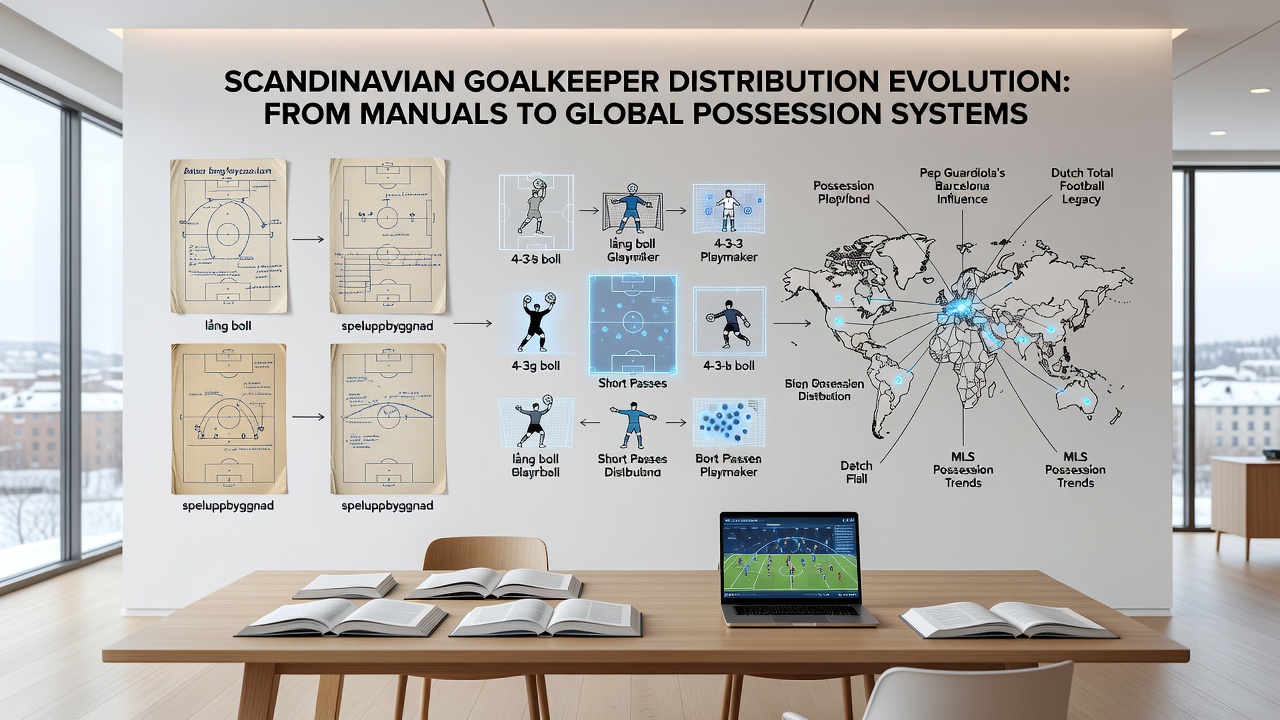
Scandinavian training manuals from the mid-20th century onward outlined specific goalkeeper distribution techniques that prioritized short passes and controlled throws over long clearances, and these texts emerged from structured programs in Norway, Sweden, and Denmark where coaches documented methods to integrate goalkeepers into build-up play. Observers note that early manuals such as those produced by Norwegian football associations in the 1970s detailed footwork drills and decision trees for when to release the ball to central defenders or fullbacks, while Swedish counterparts added emphasis on reading opponent presses to maintain possession cycles. Researchers have traced how these documents stressed repetition in training sessions that combined goalkeeper actions with midfield positioning, creating a foundation where distribution became a deliberate tactical tool rather than a reactive clearance.
Data from archived coaching records shows that Danish manuals in the 1980s expanded on these ideas by incorporating video analysis of matches where goalkeepers initiated attacks through rolled passes to center-backs, and this documentation aligned with emerging possession principles that valued ball retention in all phases of play. Those who studied the texts often found detailed diagrams illustrating optimal angles for throws that bypassed pressing forwards, and the manuals connected these techniques to broader team structures that encouraged progressive movement from the defensive third.
Core Techniques Documented in the Manuals
Key methods included underarm rolls to nearby defenders for immediate short combinations, sidearm throws aimed at fullbacks to switch play quickly, and driven kicks along the ground to target midfielders in space, all while avoiding high-risk long balls that ceded possession. Training guides specified warm-up routines where goalkeepers practiced these distributions under varying pressure levels, and they linked success rates to improved team metrics in retaining the ball during build-up phases. Evidence from translated excerpts reveals that manuals encouraged goalkeepers to scan the pitch before distribution, a practice that synchronized with possession-oriented systems requiring constant awareness of passing options across the backline and into midfield.
What's interesting is how these Scandinavian approaches incorporated environmental factors such as weather conditions common in northern Europe, advising adjustments like firmer ground passes on wet pitches to prevent skidding errors. Studies of the original documents indicate that coaches recorded player feedback loops where goalkeepers adjusted distribution choices based on opponent formations, and this iterative process became embedded in possession frameworks that later spread beyond the region.
Transmission to European Possession Systems
Coaches who trained in Scandinavian programs carried these distribution concepts into clubs across Europe during the 1990s and 2000s, and records show gradual adoption in leagues where possession play gained traction. One case involved Norwegian-trained specialists introducing short distribution drills at Dutch and German academies, where goalkeepers began rolling balls to center-backs as standard procedure rather than defaulting to clearances. According to a report from the Norwegian Football Federation on youth development pathways, these techniques aligned with possession models that prioritized controlled exits from defense, and similar patterns appeared in training regimens at clubs influenced by Scandinavian staff.
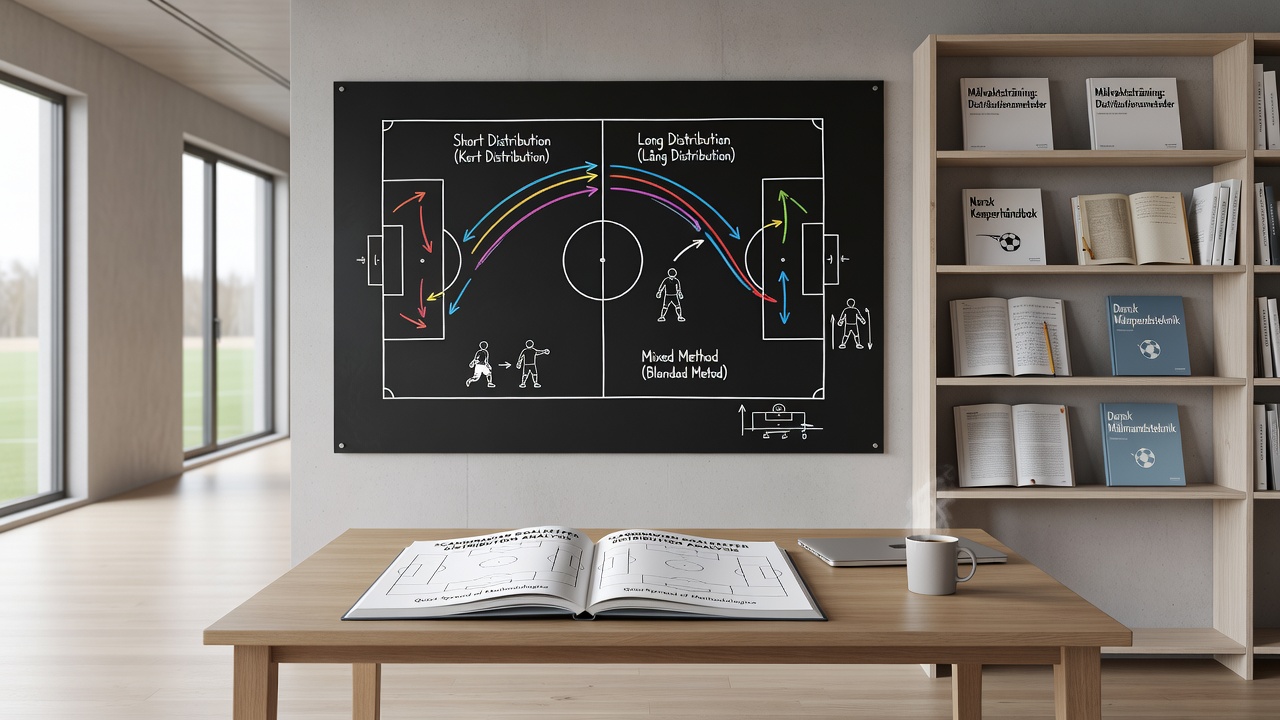
Further dissemination occurred through coaching exchange programs, where manuals were referenced in workshops that connected Scandinavian methods to Italian and Spanish systems already experimenting with build-up from the back. Researchers discovered that possession metrics improved in teams adopting these rolls and throws, as goalkeepers contributed to maintaining numerical superiority in midfield transitions. The reality is that the quiet integration happened through shared training notes and translated excerpts rather than widespread publicity, allowing the techniques to embed without fanfare in evolving tactical setups.
Global Expansion and Adaptations
By the 2010s these distribution approaches reached academies in South America, Asia, and North America, where possession-oriented clubs adapted Scandinavian-inspired drills to local conditions. Canadian soccer development programs incorporated elements from translated manuals into goalkeeper curricula, focusing on ground passes that supported high-pressing systems, while Australian institutes referenced similar techniques in reports on tactical evolution. Figures from international coaching conferences reveal that goalkeepers in multiple confederations began logging distribution success rates tied directly to possession retention statistics, and this data-driven angle echoed the original Scandinavian emphasis on measurable training outcomes.
Observers note that in June 2026 several federations plan to release updated digital versions of these foundational texts, incorporating modern analytics tools that track distribution accuracy in real time during matches. Such updates build on earlier patterns where short passes from goalkeepers enabled sustained possession sequences, and they connect to worldwide systems that treat the goalkeeper as an active participant in possession chains rather than an isolated defender.
Conclusion
The documentation in Scandinavian training manuals established goalkeeper distribution as a core element of possession play, and its spread occurred through coaching networks, translated resources, and academy adoptions that integrated these methods into diverse tactical environments. Research indicates continued evolution as clubs worldwide refine the techniques with contemporary data, maintaining the original focus on controlled, short options that support overall team retention goals.