1 Aug 2026
Club Ledgers and Fan Zines Tracing How Amateur Radio Broadcasts Shaped Distinctive Playing Identities Across Isolated Pacific Island Competitions
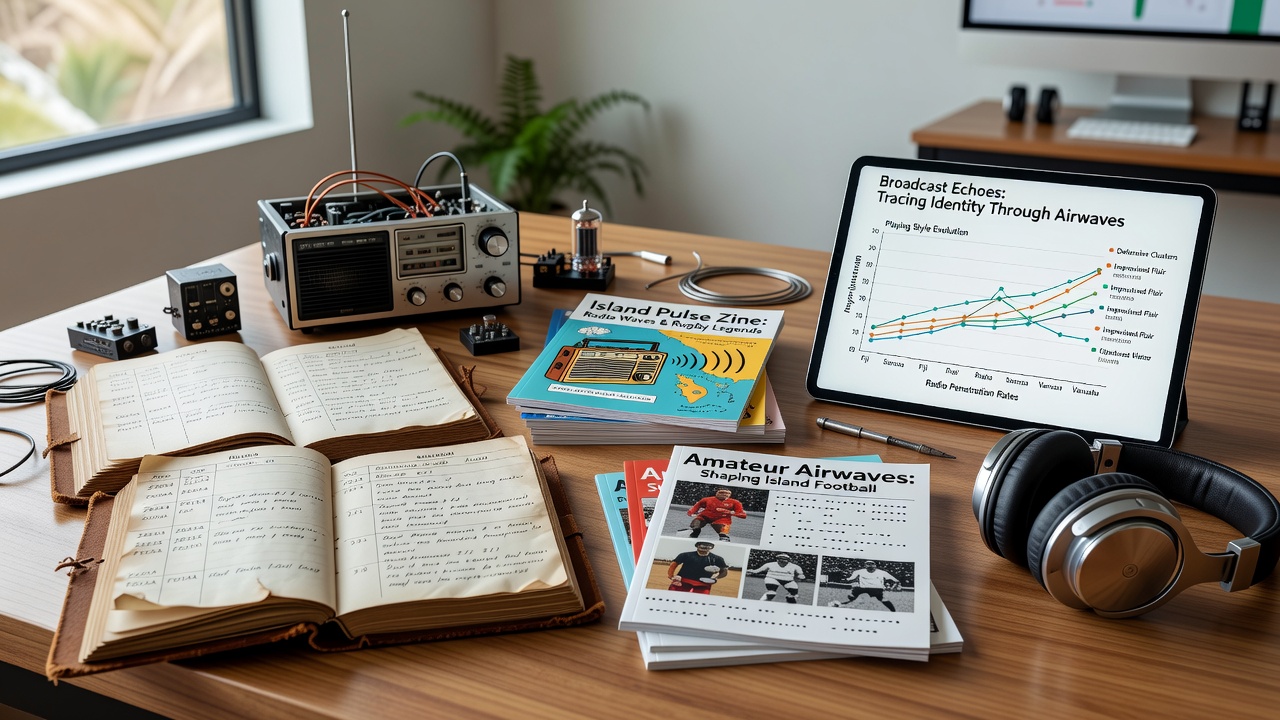
Club records and amateur publications from Pacific island nations document a distinctive pattern where shortwave transmissions carried match descriptions and tactical observations between remote communities, and those exchanges gradually produced recognizable regional styles on the field. Ledgers maintained by local associations in places such as Vanuatu and the Solomon Islands list radio operators alongside team officials, while fan-produced zines circulated handwritten diagrams that referenced plays heard over the air during inter-island fixtures.
Early Use of Amateur Radio for Match Coverage
Operators on islands separated by hundreds of kilometers began relaying live accounts of league games in the 1950s after equipment became available through post-war surplus networks. Club secretaries noted transmission times and frequencies in the margins of match ledgers, creating an unintended archive of how information moved. In one series of 1962 entries from a Tongan club, the same handwriting records both gate receipts and the call signs of stations that carried the game, showing how tightly the technical and sporting records were kept together.
Broadcasts often described formations and set-piece routines rather than simple scores, and listeners on distant islands adapted those descriptions during their own training sessions. Fan zines from Fiji in the late 1960s reprinted those descriptions alongside local observations, producing a running commentary on which ideas traveled and which ones stayed home.
Documentation in Club Ledgers
Ledgers from the 1970s onward frequently contain columns that track not only goals adn attendance but also the radio equipment used on match days and the names of operators who maintained contact with neighboring islands. These entries reveal that certain clubs invested in better antennas specifically to improve reception of matches from Papua New Guinea, whose teams were known for a direct, high-pressing approach. The same ledgers later note adjustments in local training schedules that mirrored patterns heard during those transmissions.
Researchers examining collections held at the University of the South Pacific have cross-referenced ledger entries with surviving audio logs and found repeated mentions of specific player movements that first appeared in broadcast commentary before showing up in local match reports. The pattern suggests that the broadcasts supplied a shared vocabulary that clubs then modified according to their own physical conditions and player pools.
Fan Zines as Tactical Archives
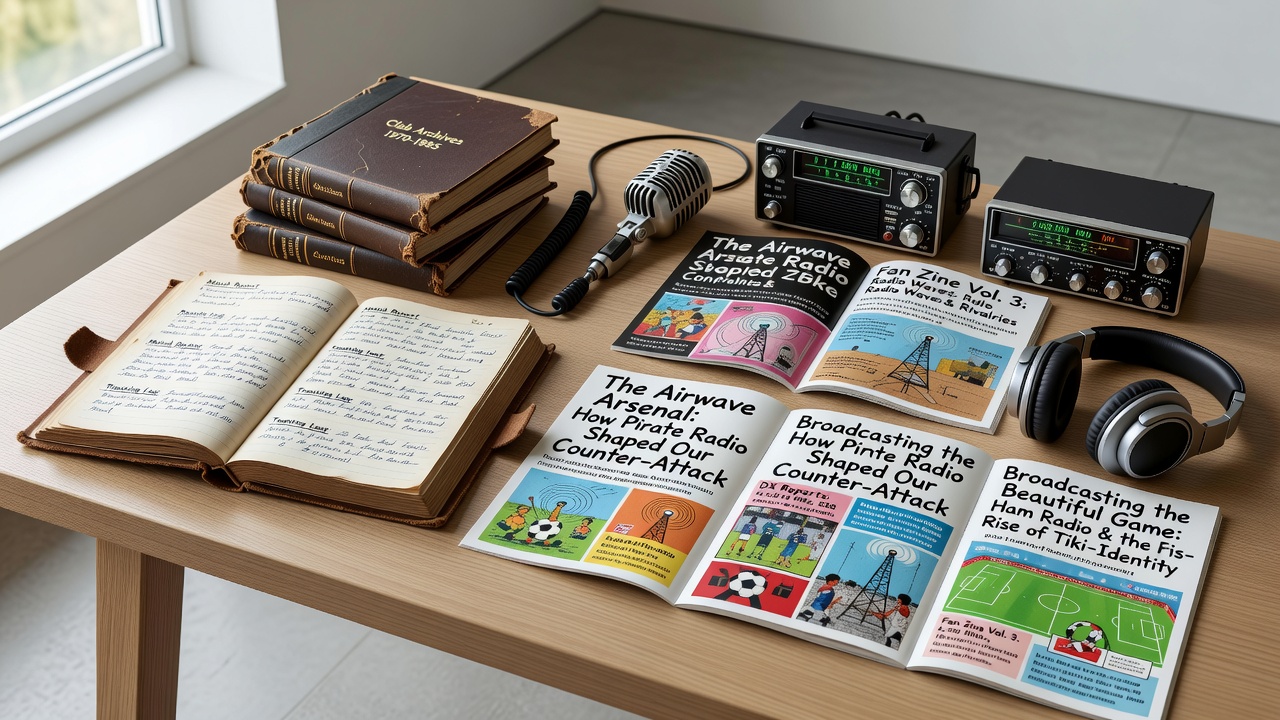
Small-circulation zines produced on mimeograph machines or early photocopiers carried sketches and commentary that traced the movement of ideas across the region. One 1974 issue from Samoa includes a diagram of a midfield rotation described during a broadcast from New Caledonia, followed by notes on how local players executed a similar movement with different timing suited to heavier pitches. Subsequent issues record further adaptations and the emergence of a hybrid style that combined the original rotation with local defensive habits.
These zines also functioned as correspondence networks. Readers mailed in observations after listening to broadcasts, and editors printed excerpts that sometimes contradicted the official club ledger accounts. The resulting conversation created a written record of stylistic evolution that formal federation documents rarely captured at the same level of detail.
Regional Playing Identities and Transmission Patterns
Data compiled from surviving ledgers indicate that islands with reliable radio links developed styles that emphasized quick transitions, while more isolated communities retained longer build-up patterns. In the Cook Islands, for example, records show a gradual incorporation of pressing triggers first heard during broadcasts of matches from Tahiti, whereas Niue maintained a more compact defensive structure with fewer documented changes over the same period. The difference aligns with the frequency and clarity of transmissions each location could receive.
By the early 1980s, several federations began scheduling matches at times that accommodated radio coverage, and club officials coordinated start times through the same amateur networks that carried the games. This logistical dependence further embedded broadcast content into daily training decisions recorded in the ledgers.
Current Digitization Efforts and August 2026 Milestones
Archivists across the region continue to scan ledgers and zines, with several collections scheduled for public release through coordinated platforms in August 2026. The timing coincides with an Oceania Football Confederation initiative to mark the 75th anniversary of organized inter-island competition, and organizers have announced that radio logs and fan publications will form a central part of the accompanying exhibition. Early previews indicate that the digitized material will allow researchers to map transmission pathways with greater precision than was previously possible.
Conclusion
The combination of club ledgers and fan zines supplies a granular record of how amateur radio broadcasts influenced the development of distinct playing identities in Pacific island soccer. These sources show that tactical ideas traveled along radio frequencies, were annotated by local observers, and were gradually altered to fit specific island conditions. As digitization projects advance, the full extent of those exchanges becomes clearer, revealing a history preserved not in official federation minutes but in the margins of everyday sporting documentation.