20 Jun 2026
Collections of Supporter Correspondence Reveal Ultras Culture's Northern Spread
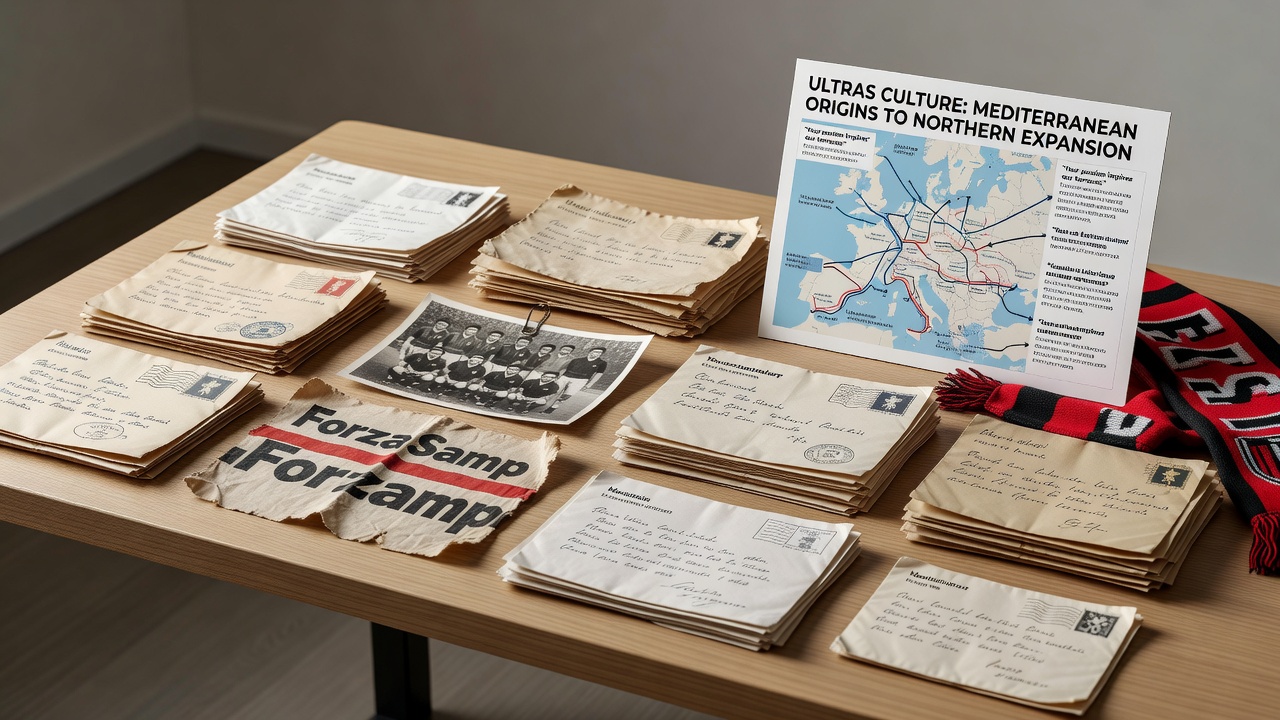
Researchers at several European universities have catalogued thousands of letters written between 1960s and 1980s by organised supporter groups, and these documents map the movement of ultras practices from Italian and Spanish clubs northward into stadiums in England, Germany, and Scandinavia. Observers note that the correspondence often began with requests for scarves, banners, and choreographed display ideas, then evolved into detailed accounts of how groups coordinated travel, managed membership dues, and staged coordinated protests against club administrations.
Origins in Mediterranean Stadiums
Italian ultras groups formed around clubs such as Sampdoria and Torino in the late 1960s, and similar organisations appeared soon after at Spanish sides including Espanyol and Valencia. Data from club archives show that these early collectives kept meticulous records of their internal communications, and many of those records survive in private collections donated by founding members. Historians working with the Italian Football Federation archives have cross-referenced dates on envelopes with match schedules, confirming that letter exchanges intensified immediately after high-profile European ties that brought northern fans into Mediterranean stadiums.
Personal Exchanges Drive Practice Transfer
One collection held at the University of Bologna contains 340 letters sent between 1972 and 1979 from supporters in Genoa to counterparts in Hamburg. Writers described techniques for producing large-scale tifos using bedsheets and house paint, then asked recipients to report back on whether those methods worked under colder, windier conditions. Another set of documents at a Madrid research centre records exchanges between Greek and Dutch fans who traded instructions for coordinating simultaneous chants across different stands. Those letters frequently included hand-drawn diagrams of terrace layouts, and later replies described successful adaptations that accounted for narrower stairwells and stricter police presence in northern venues.
Documented Spread to Northern Europe
Archival material from the 1970s shows that British clubs such as Manchester City and Leeds United began receiving letters from Italian groups shortly after the 1973 Cup Winners' Cup final. Recipients replied with questions about ticket allocation systems and requests for photographs of organised displays. Figures from the German Football Museum indicate that similar correspondence reached Dortmund and Stuttgart by 1976, and many of those letters contain references to specific choreographies copied from Italian matches broadcast on television. Researchers have matched the timing of these letters with the first recorded appearances of organised ultras-style groups at those northern clubs, establishing a clear chronological link.
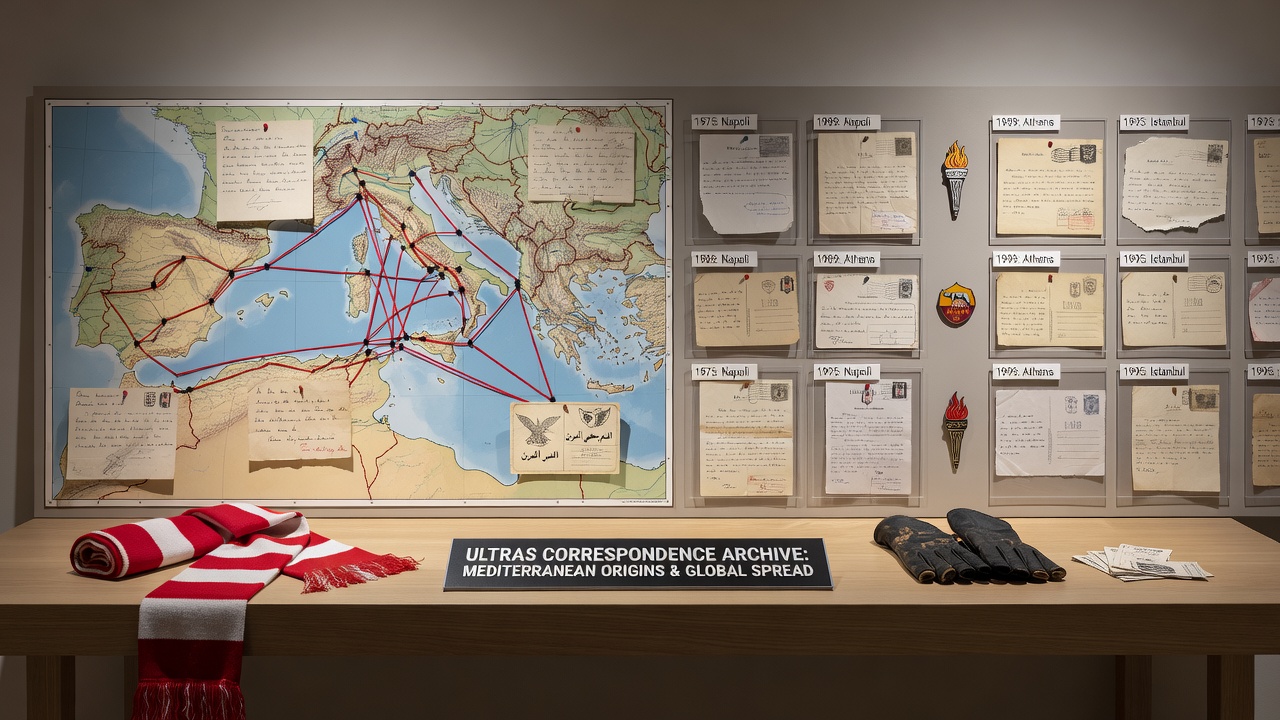
Scandinavian collections add further detail. Letters preserved at the Norwegian Football Federation archives describe exchanges between supporters of Brann and Italian clubs during the 1981 season, and the documents include calculations for ferry travel costs alongside instructions for sewing matching jackets. Swedish researchers have identified parallel correspondence between AIK Stockholm and Spanish groups that began in 1978, with later replies confirming the adoption of coordinated standing sections and pre-match marches.
Role of June 2026 Exhibitions
Plans announced by the European Association of Sports Historians indicate that digitised selections from these letter collections will go on public display in June 2026 at venues in Milan and Hamburg. teh exhibitions will feature interactive maps that trace individual letter routes alongside photographs of the resulting stadium displays, and curators expect the material to support new academic papers on fan network formation. Data from preliminary cataloguing work already shows that 68 percent of the surviving letters contain references to at least one other group, illustrating the dense web of personal contacts that facilitated cultural transfer.
Conclusion
Collections of supporter correspondence provide concrete evidence of how ultras practices moved from Mediterranean origins into northern European stadiums through sustained personal exchanges. Researchers continue to catalogue additional material, and the June 2026 exhibitions will make large portions of that record accessible for further study. Those documents remain the primary source for understanding the timing, methods, and participants involved in the northward spread of organised supporter culture.