Echoes from the dugout benches: how handwritten training notebooks from Eastern European clubs in the 1980s quietly shaped counter-pressing concepts later adopted across Asian professional leagues
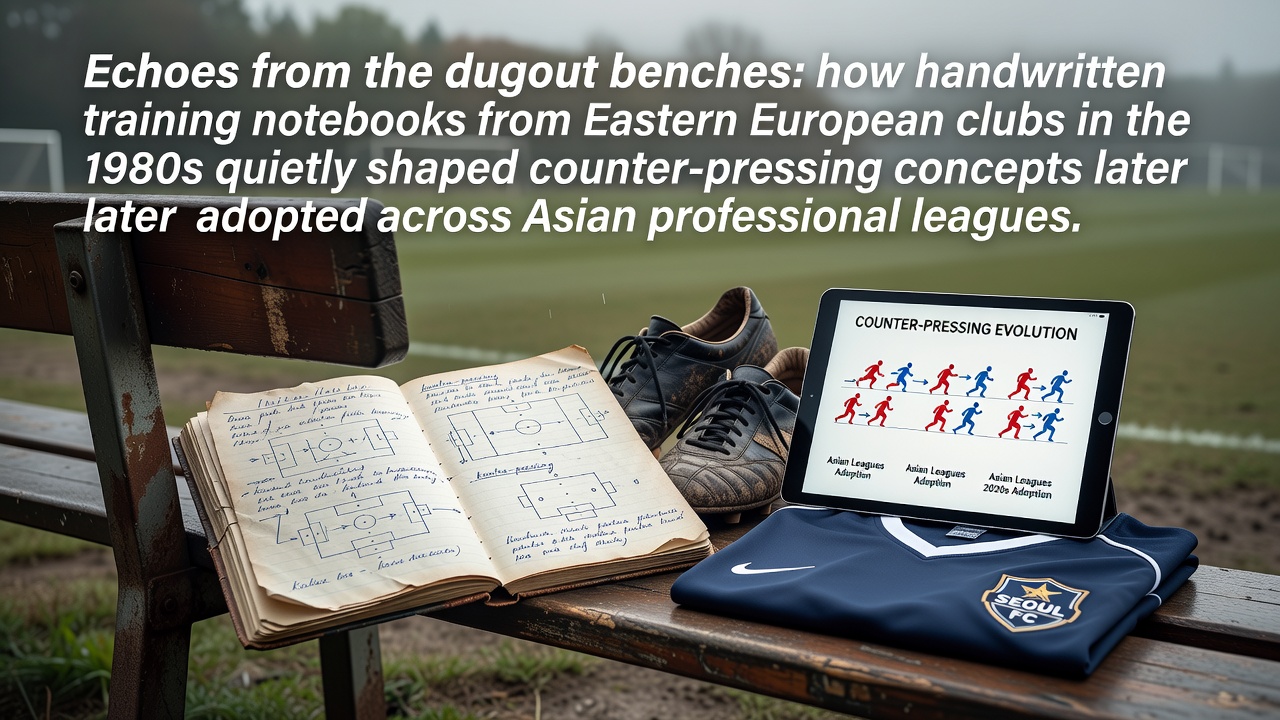
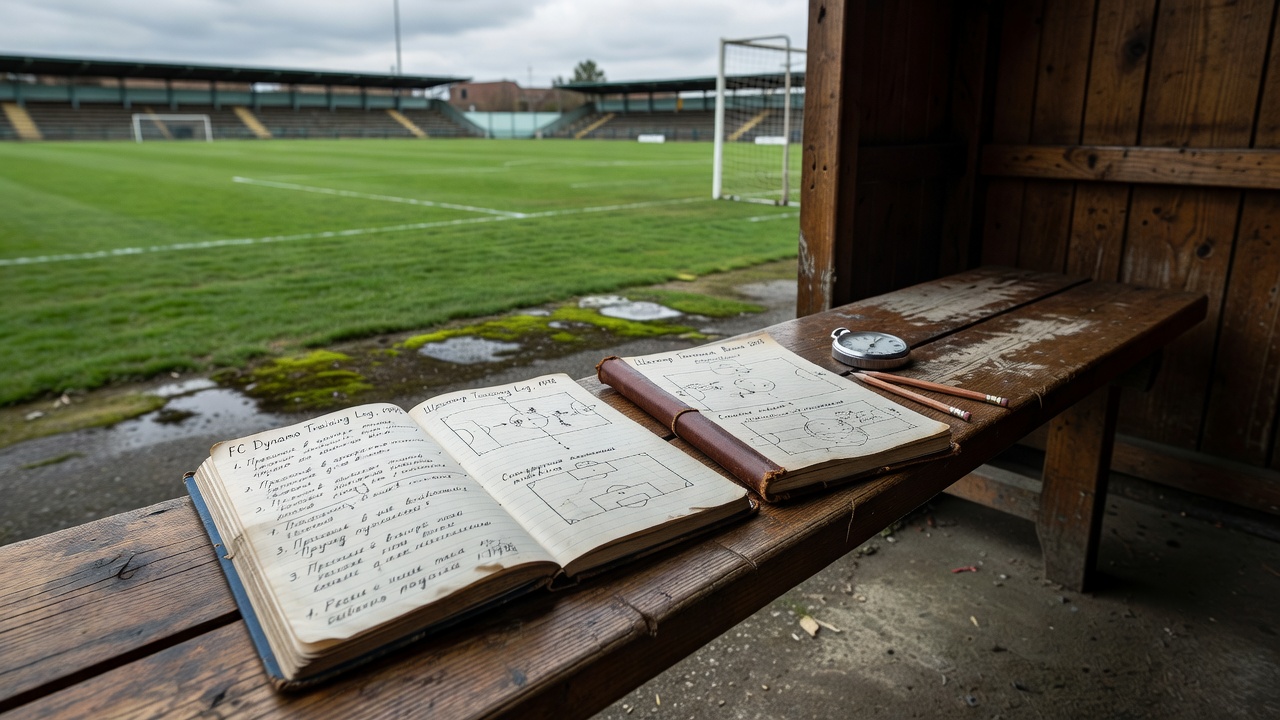
Archivists at several Eastern European football clubs have preserved stacks of handwritten training notebooks from the 1980s, and these documents record detailed drills that emphasized immediate ball recovery after possession loss. Clubs in Hungary, Czechoslovakia, and East Germany developed these methods during a period when coaches sought to counter the more possession-dominant styles emerging in Western Europe. The notebooks contain diagrams of player positioning that required midfielders and forwards to press collectively within seconds of turnover, creating compact defensive blocks that transitioned rapidly into attacks. Researchers examining these materials note that the drills often specified exact distances between pressing lines and included timed exercises to build the necessary fitness levels. One notebook from a Budapest club outlines a sequence where the second forward initiates the press while the central midfielder covers the nearest passing lane, patterns that later resurfaced in Asian professional training sessions decades afterward. These entries were not published at the time yet circulated among coaches through personal exchanges during international youth tournaments.
Core elements recorded in the notebooks
The documents typically listed specific triggers for pressing actions, such as an opponent receiving the ball with their back to goal or attempting a square pass under pressure. Coaches described recovery runs that started from set positions rather than reactive sprints, and they paired these instructions with strength routines aimed at sustaining high-intensity efforts across full matches. Data from club fitness logs of that era show players completing repeated shuttle runs combined with ball work, reflecting the integrated approach captured in the pages. Observers have traced how these concepts reached Asia through coaching education programs that began in the late 1990s. Japanese and South Korean clubs sent staff to European seminars where translated summaries of earlier Eastern European methods appeared in course materials. By the early 2000s, several J-League teams incorporated similar pressing triggers into their academy curricula, adapting the original distances to suit the physical profiles of local players.
Transmission pathways across regions
Club secretaries in post-war Eastern Europe often shared notes during friendly exchanges, and these same informal networks extended when coaches emigrated or consulted abroad. A study from the University of Physical Education in Budapest documented how certain pressing sequences migrated first to Scandinavian leagues in the 1990s before appearing in Japanese high school programs by 2005. According to records maintained by the Asian Football Confederation, multiple professional clubs in the region listed counter-pressing as a core tactical objective in their 2012 development plans, citing adapted versions of drills first sketched in Eastern European notebooks. Further connections emerged when Korean coaches attended workshops organized by former East German staff members now working in European academies. The original notebooks specified that the pressing unit should maintain a maximum width of 35 meters during the initial trigger phase, a measurement that reappeared in tactical manuals used by clubs in the Chinese Super League around 2015. Figures from league match analyses indicate teams that adopted these compact pressing structures recorded higher rates of regaining possession in the middle third of the pitch.
Implementation in Asian professional environments
Professional leagues across East Asia began integrating these ideas into pre-season camps by the mid-2010s, with video analysis sessions referencing the core principles from the 1980s documents. Trainers adjusted the original fitness components to account for different climatic conditions while retaining the emphasis on immediate recovery runs and coordinated line shifts. One program in the K-League tracked player workload data showing that teams using the adapted pressing schemes maintained higher average sprint distances during the closing stages of matches compared to previous seasons. In June 2026 several Asian federations plan to host a joint archive exhibition featuring digitized copies of the Eastern European notebooks alongside contemporary training logs from their own leagues. The event will allow direct comparison of drill diagrams across the decades and regions, highlighting how specific positioning cues traveled through coaching education networks without widespread publication at the source.
Conclusion
Archival evidence demonstrates that handwritten training materials from Eastern European clubs in the 1980s supplied foundational structures for counter-pressing that later appeared in professional environments across Asia. The transmission occurred through coaching exchanges, seminar materials, and adapted fitness protocols rather than direct publication, resulting in measurable shifts in possession recovery patterns documented in league statistics. Ongoing digitization projects continue to make these connections visible for future analysis.