25 Jun 2026
Exploring Soccer's Cultural Footprint Through Illustrated Fanzines Produced by Supporters During Major European Club Competitions
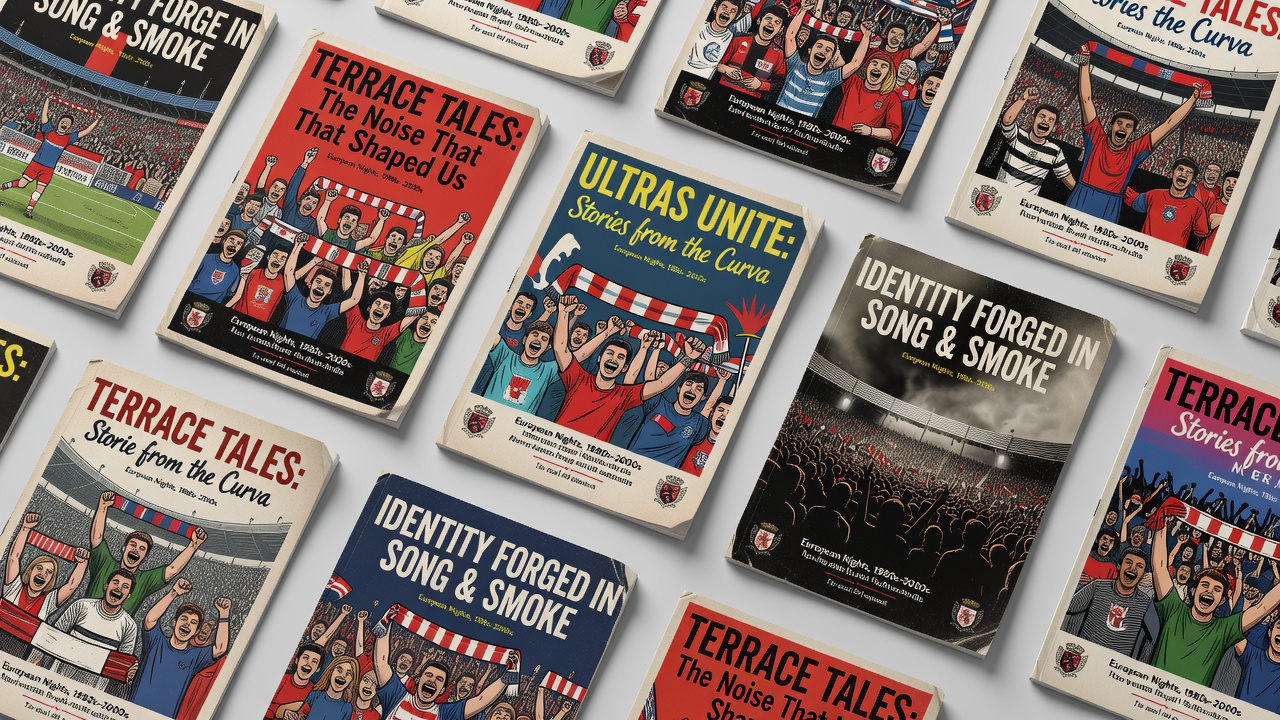 Fanzines emerged as self-published supporter magazines in the 1970s and gained momentum through the 1980s as European club competitions expanded, and supporters used these outlets to document matchday experiences with hand-drawn illustrations, cartoons, and collages. Research from fan culture studies indicates that these publications captured terrace dynamics through visual narratives that depicted crowd interactions, chants, and rivalries in ways that official club media rarely addressed. Data from archive collections at several European universities shows thousands of issues produced across England, Italy, Germany, and Spain during Champions League and UEFA Cup campaigns, where contributors combined text with imagery to preserve moments that shaped local identities. Those who've examined these materials note how visual elements often highlighted the physicality of stands, including banners, flags, and pyrotechnic displays, which reflected the social structures within supporter groups. One study of fanzine collections from the 1990s found recurring motifs such as caricatures of players and officials alongside maps of stadium sections, and these details helped transmit knowledge about seating arrangements and group hierarchies to newer attendees. According to records maintained by supporter networks, production peaked around major tournament stages, with issues distributed at away matches to strengthen connections between distant fanbases.
Visual Storytelling Techniques in Fanzine Production
Illustrators employed techniques like sequential panels and symbolic color schemes to represent the flow of matches and the emotional arcs of supporter groups during key fixtures. Evidence from digitized collections reveals that artists frequently incorporated elements of local architecture or industrial landmarks to anchor stories in specific regional contexts, and this approach allowed readers to see how club identities intertwined with urban environments. Researchers have documented cases where fanzines from the 2000s used collage methods to blend photographs with drawings, creating layered depictions of terrace celebrations that influenced subsequent generations of creators.
Supporters in cities hosting European finals often produced special editions that featured maps of fan marches and illustrations of security interactions, and these visuals served as both historical records and tools for negotiating space within stadiums. Figures from cultural heritage projects show that many such publications circulated through informal networks, reaching readers who later contributed their own artwork, thereby sustaining a cycle of visual documentation across decades.
Influence on Club Identity Across Generations
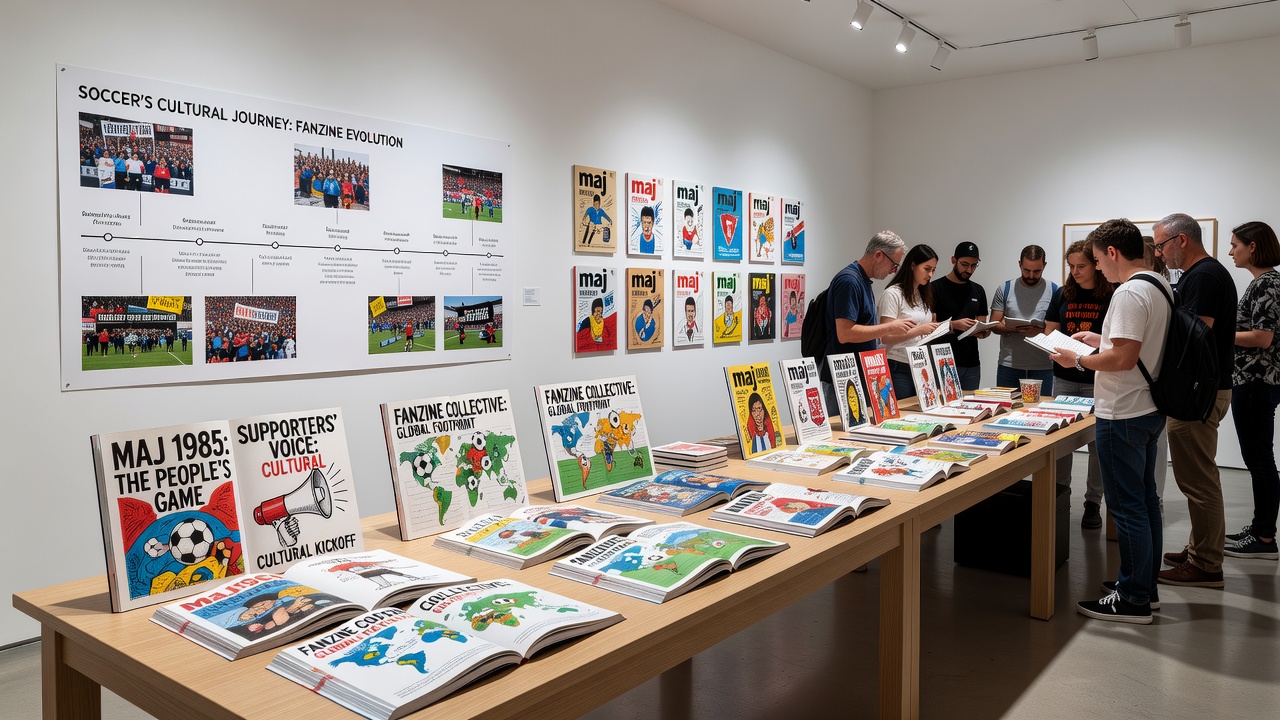
Club identities evolved partly through the repeated visual motifs that appeared in fanzines, where symbols like crests and colors were reinterpreted in supporter artwork to emphasize community resilience during competitive campaigns. Observers note that younger contributors in the 2010s drew inspiration from earlier issues archived by fan groups, adapting styles to address contemporary issues such as ticket pricing and match scheduling while maintaining continuity in illustrative traditions. Data compiled by European football archives indicates that certain fanzine series ran for over thirty years, with stylistic shifts mirroring changes in supporter demographics and migration patterns within supporter bases.
During periods of club success in continental competitions, illustrations often portrayed collective achievements through group portraits and victory parades, and these images reinforced narratives of belonging that persisted into subsequent seasons. Those who've reviewed generational overlaps in fanzine content point to shared visual languages that connected fans active in the 1980s with those participating in 2020s events, including references to past terrace layouts that informed modern safety discussions.
Current Context and Ongoing Traditions
As preparations advance for major European club events scheduled into 2026, including fixtures tied to the expanded calendar around international tournaments, supporter networks continue producing illustrated fanzines that document evolving terrace practices. Recent issues from clubs in multiple leagues incorporate digital scanning methods alongside traditional drawing techniques, allowing wider distribution while preserving the tactile quality that earlier generations valued. Records from fan organizations reveal sustained interest in these publications as resources for understanding how visual storytelling has adapted to new stadium regulations and media landscapes.
Conclusion
Illustrated fanzines produced during European club competitions have functioned as repositories of terrace dynamics and identity markers, with visual elements providing continuity across generations of supporters. Archival evidence and supporter records demonstrate their role in shaping how clubs and their communities are remembered and represented, and this tradition persists through contemporary adaptations that maintain the core focus on fan-driven narratives.