13 Jul 2026
Fanzine Collections Chart the Migration of Ultras Culture from Italian Stadia to South American Terraces
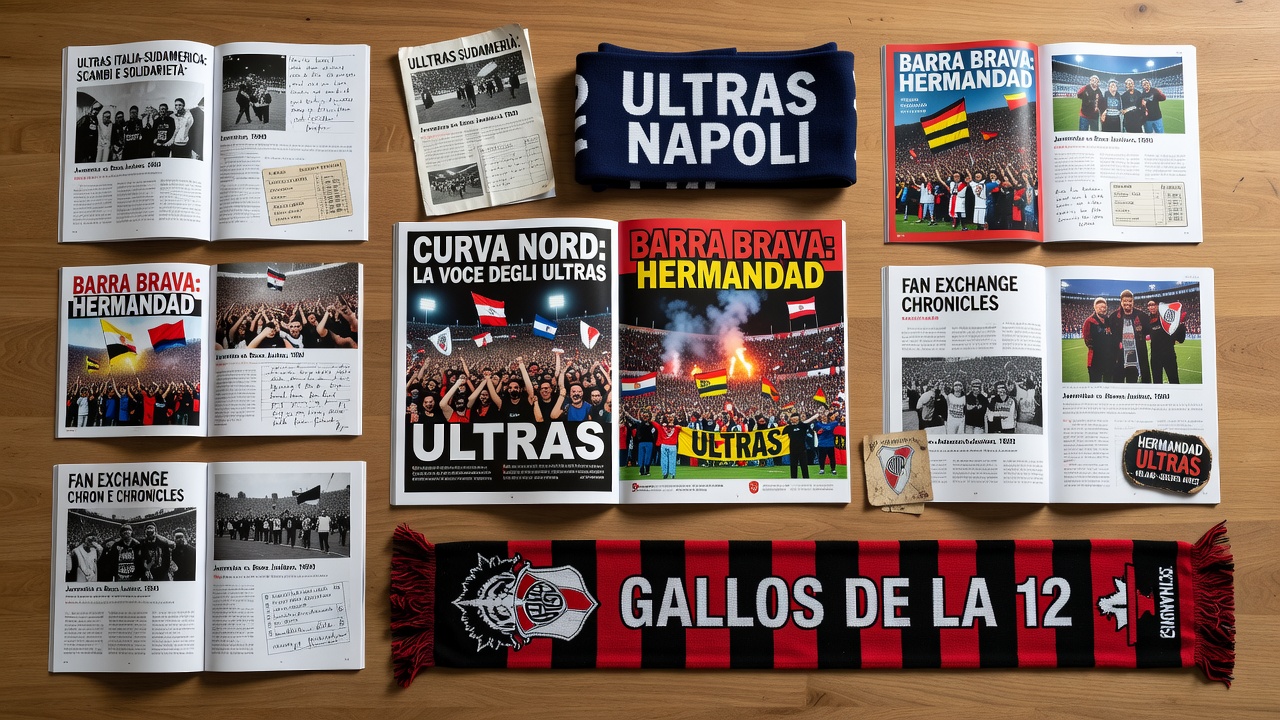
Ultras culture emerged in Italian football during the late 1960s when organized supporter groups formed in cities such as Milan and Turin, and fanzines soon became the primary medium for recording chants, symbols, and organizational tactics that defined these collectives. Researchers at European sports heritage institutions have catalogued hundreds of these early publications, which detail the transition from simple match-day bulletins to sophisticated networks that exchanged ideas across borders. By the 1970s these same fanzines began reaching South American fans through direct mailings and personal contacts made during international tours or tournaments.
Origins of Italian Ultras Documentation
Italian fanzines from the 1970s recorded the structure of groups like the Fossa dei Leoni and the Brigate Gialloblu, including seating charts, flag designs, and travel arrangements that later served as templates for supporters elsewhere. Archival holdings at the University of Bologna preserve complete runs of titles such as "Sampierdarenese" and "Tifosi Viola," which contain handwritten notes on how groups coordinated with club officials. These documents show that Italian ultras adapted military-style organization and political slogans drawn from contemporary social movements, yet they also adapted local dialects and regional rivalries into their publications. Observers note that the physical exchange of these papers often occurred at European Cup matches, where Italian fans met counterparts from other countries and passed along copies.
Role of Fanzine Exchanges in Cultural Transfer
Fan networks established regular postal routes between Genoa, Naples, and ports in Argentina and Brazil, allowing bundles of fanzines to travel with returning sailors or visiting journalists. A 1982 issue of "Curva Sud" published in Rome featured a map of planned distribution points in Montevideo and São Paulo, evidence that editors actively sought international readership. Collectors in South America report that early issues arrived folded inside match programs or tucked into luggage during club tours, and these copies were then photocopied and redistributed at local stadiums. Data from the International Football Archives in Geneva indicates that at least 40 distinct Italian fanzine titles circulated in South America between 1978 and 1990, each carrying illustrations of choreographed displays that South American groups later reproduced with local materials.
Documentation of South American Adaptations
Once Italian fanzines reached venues such as La Bombonera in Buenos Aires and the Maracanã in Rio de Janeiro, local supporters began producing their own versions that incorporated translated chants and modified visual styles. Publications like the Argentine "La Doce" and the Brazilian "Gaviões da Fiel" reprinted sections of Italian originals while adding regional references to political events and neighborhood identities. Researchers at the University of Buenos Aires have assembled a digital database that cross-references these adaptations, showing how Italian flag choreography evolved into the massive "hinchada" displays common in South American stadiums by the mid-1980s. Exchange continued in both directions, with South American fanzines mailed back to Italy containing reports on how local groups handled larger crowds and different policing practices.
Key Archival Collections and Access
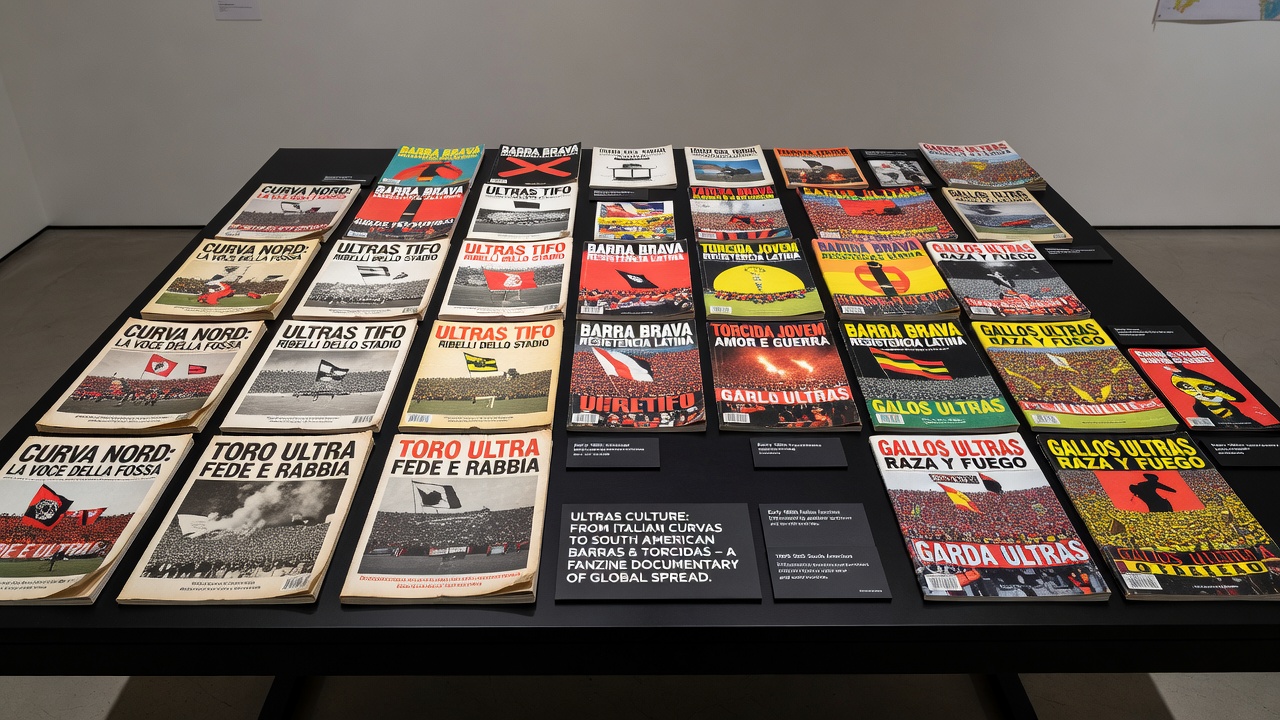
Specialized libraries now hold the most complete runs of exchanged fanzines, including the National Football Museum in Manchester and the Centro de Estudios del Deporte at the University of Santiago. These institutions have catalogued more than 1,200 individual issues that document the spread of ultras practices, from the adoption of smoke bombs and banners to the creation of dedicated travel funds. In July 2026 the archive at the University of São Paulo will open a temporary exhibition that pairs original Italian publications with their South American counterparts, allowing visitors to compare print runs side by side. Access policies at these collections require advance registration, yet many institutions have begun digitizing select issues to broaden research opportunities.
Patterns Revealed by Comparative Study
Comparative analysis of the fanzines shows recurring themes in how ultras culture adapted to different stadium infrastructures and legal frameworks. Italian publications emphasized vertical seating sections and rapid flag unfurling, while South American editions described horizontal terrace arrangements and the integration of samba rhythms into chants. Figures from the European Association for Sports History reveal that the number of cross-continental fanzine references increased sharply after the 1982 World Cup, when Italian and South American fans shared hotel accommodations and exchanged addresses. These exchanges also transmitted practical knowledge about avoiding police surveillance, a topic covered extensively in both regions' publications.
Conclusion
Fanzine collections continue to provide the clearest record of how ultras culture moved from Italian stadiums to South American venues through sustained fan exchanges. The preserved publications demonstrate concrete mechanisms of transfer, from postal routes to tournament encounters, and they allow researchers to trace specific adaptations in chants, visuals, and organizational methods. Ongoing digitization projects at multiple universities ensure that future scholars can examine these documents without traveling to physical archives, while temporary exhibitions scheduled through 2026 will introduce wider audiences to the material evidence of this cultural migration.