22 Aug 2026
How Soccer Fanzine Archives Preserved Records of Regional League Formations Across Central American Federations During Periods of Political Upheaval
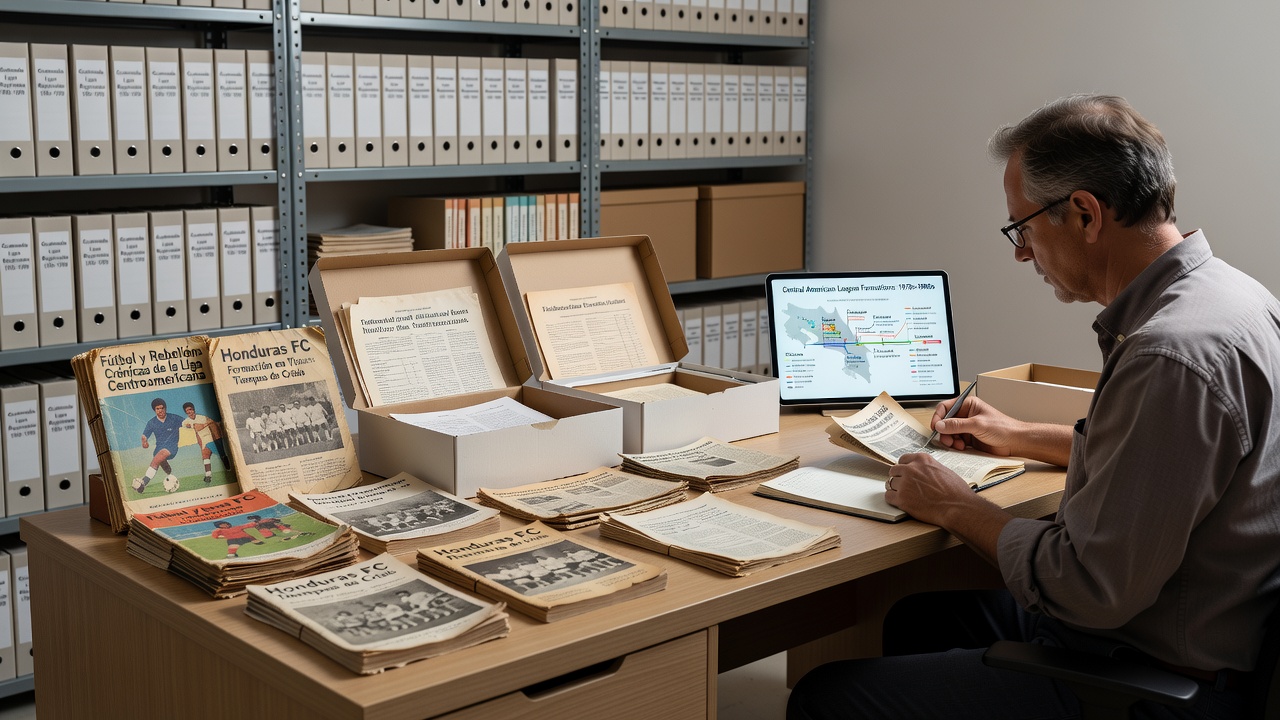
Regional soccer leagues in Central America took shape through decades marked by civil conflicts, regime changes, and economic instability, yet fanzine archives captured the details of club formations, player movements, and federation decisions when official channels often faltered. These fan-produced publications, distributed through local networks in countries such as Guatemala, El Salvador, Honduras, Nicaragua, Costa Rica, and Panama, recorded match results, league schedules, and administrative shifts that later proved essential for historical reconstruction. Observers note that the materials survived because supporters treated them as personal records rather than official documents subject to seizure or loss during unrest.
Political Upheaval and Its Effect on Official Soccer Records
Civil wars and authoritarian periods disrupted centralized record-keeping across the region between the 1970s and 1990s, with federations in El Salvador and Guatemala facing repeated interruptions in league play and documentation. Military governments sometimes restricted public gatherings, which affected stadium access and press coverage, while shifting alliances among clubs created new regional competitions that lacked formal oversight. Data from the Confederation of North, Central American and Caribbean Association Football shows that several national leagues operated without continuous administrative staff during peak conflict years, leaving gaps that later researchers had to fill through alternative sources.
Emergence of Fanzine Networks as Documentation Tools
Supporters responded by creating mimeographed and photocopied fanzines that listed team rosters, transfer details, and league standings on a weekly or monthly basis. In Nicaragua during the Sandinista era and in Honduras amid border tensions, these publications often included maps of emerging regional divisions and notes on how clubs from rural areas joined urban circuits. Those who compiled the fanzines frequently worked with club secretaries and local journalists to verify facts, producing runs of a few hundred copies that circulated through bus stations, markets, and union halls. The informal distribution methods helped the materials avoid official scrutiny while building parallel archives that preserved dates of league inaugurations and rule changes.
Reconstruction of League Formations Through Fanzine Collections
Researchers examining fanzine collections at university libraries and private homes have reconstructed timelines for leagues such as the Liga Nacional de Fútbol de Honduras and the Primera División de El Salvador that official federation files could not provide. One collection in Costa Rica contains issues from the early 1980s that document the integration of teams from Limón province into national structures, complete with handwritten corrections to printed schedules. Another set from Guatemala details the temporary suspension and revival of second-division play during the 1980s, including the names of clubs that merged or relocated because of security concerns. These records reveal patterns of regional realignment that occurred when transportation routes were cut or stadiums were repurposed.
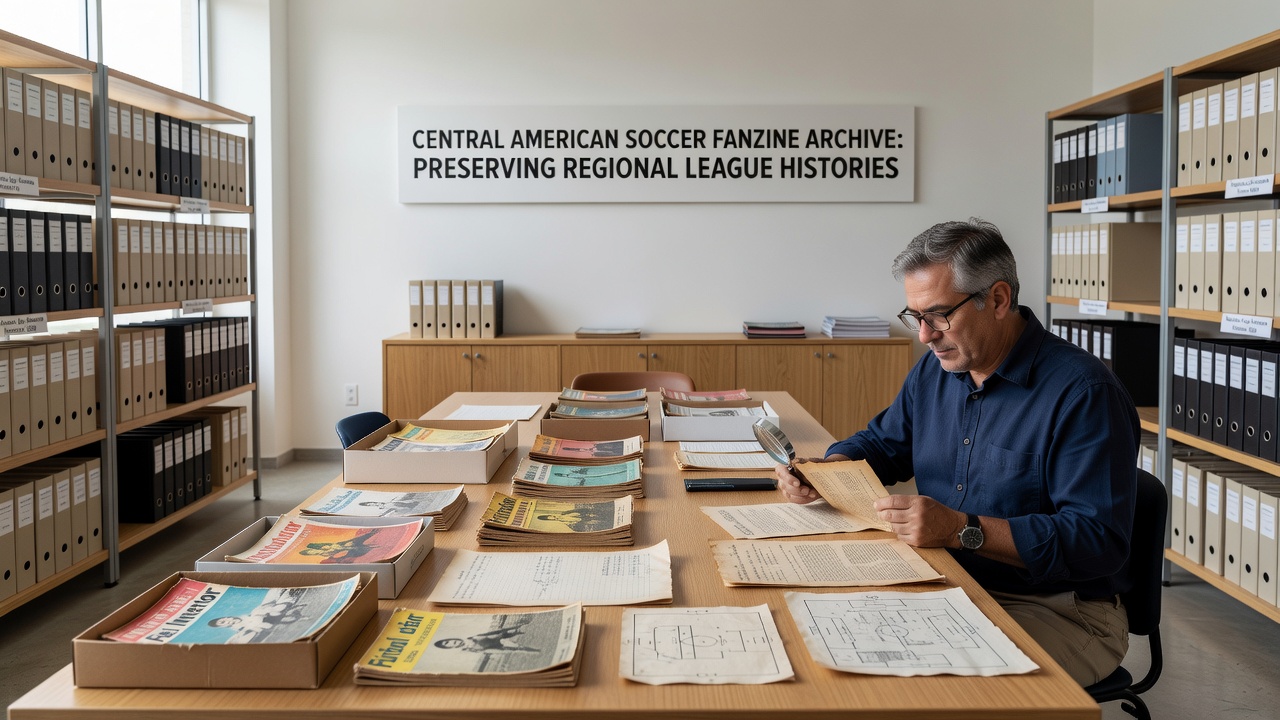
Archivists at institutions in Panama and Belize have cross-referenced fanzine content with surviving club ledgers to confirm the founding dates of inter-regional tournaments that operated outside national federations. The materials often include participant lists and scoring summaries that later became the basis for official recognition once political conditions stabilized. Observers note that the consistency across multiple independent fanzines strengthens the reliability of the information they contain, even when single issues carry typographical errors or incomplete data.
Challenges in Preservation and Digitization Efforts
Many fanzine runs remained in private hands for decades, exposed to humidity, insects, and repeated handling that degraded paper quality. Community initiatives begun in the early 2000s focused on scanning and cataloging surviving copies, with projects in San Salvador and Managua creating searchable databases by 2015. In August 2026, a regional consortium announced expanded funding for a shared digital platform that will link fanzine holdings across five countries, allowing researchers to compare league formation records without traveling between physical archives. The platform draws on standards developed by academic libraries in Canada and the European Union to ensure long-term accessibility.
Connections to Broader Historical Understanding
The preserved fanzine data has clarified how political events influenced club identities and competitive structures, such as the temporary creation of refugee-team leagues in border areas during the Salvadoran civil war. Analysts at research institutions have used these records to trace the movement of players and coaches between federations when official transfer systems broke down. The materials also document the introduction of new playing formats, including shortened seasons and playoff systems adopted as responses to security and scheduling constraints.
Conclusion
Fanzine archives continue to supply the missing pieces in Central American soccer history by documenting league formations that occurred outside formal channels during extended periods of political upheaval. Collections assembled through grassroots efforts now support academic studies, federation anniversaries, and public exhibitions that recognize the role of supporters in maintaining continuity. As digitization advances, the records compiled in those small publications provide a durable foundation for understanding how regional competitions evolved amid instability.