13 Aug 2026
Reconstructing Lost Asian Football Rivalries via Translated Club Histories and Supporter Memoirs
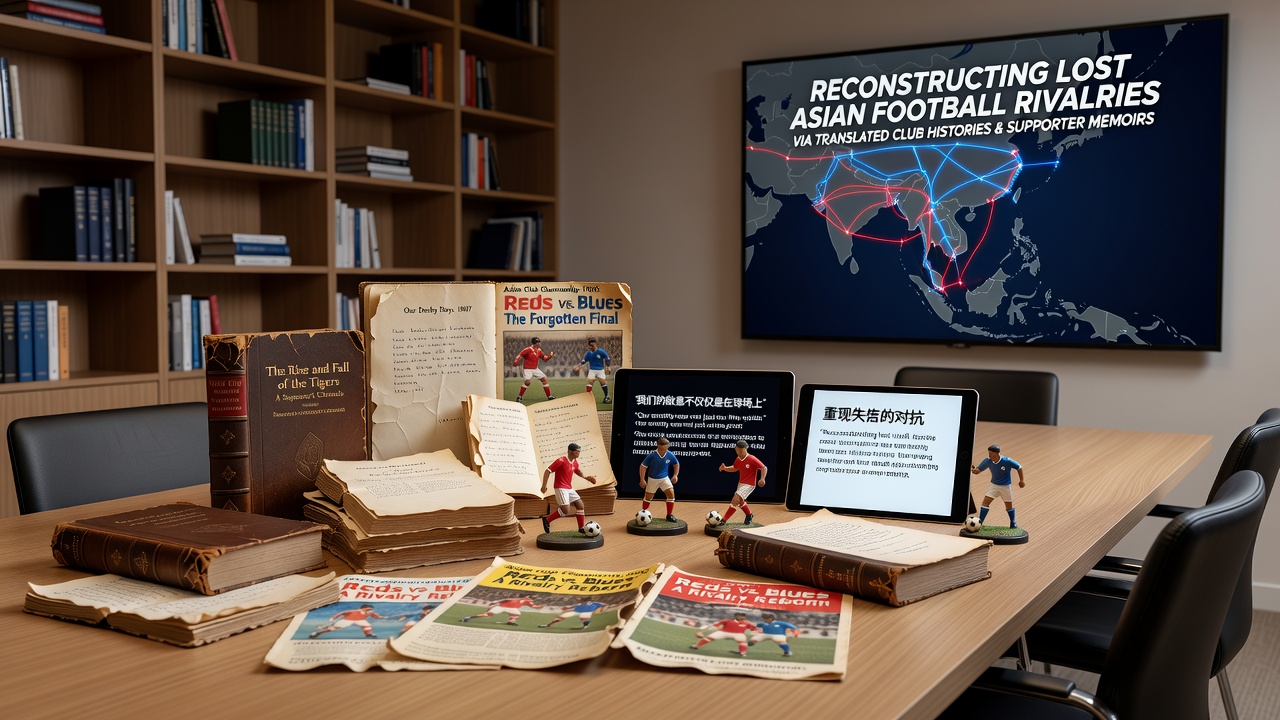
Historians and archivists have turned to translated club histories along with supporter memoirs to piece together rivalries that faded from official records across Asia, and these sources reveal patterns of competition that spanned decades in places like Japan, South Korea, and Southeast Asia. Early club documents often captured details of matches and tensions that newspapers overlooked, while personal accounts from fans filled in the social dimensions of those encounters. Researchers working through archives in Tokyo, Seoul, and Bangkok have identified recurring themes of regional pride and industrial sponsorship that fueled these contests before modern leagues standardized schedules and broadcasting rights.
Club Histories as Foundational Records
Club histories written in local languages document founding years, early rivalries, and shifts in playing styles that later translations brought to wider audiences, and these texts frequently reference specific derbies such as those between teams backed by rival corporations in post-war Japan. Japanese club publications from the 1950s and 1960s detail matches between sides from Osaka and Tokyo that carried undertones of economic competition, while similar volumes from Korean clubs outline tensions between teams from Seoul and Busan that arose during rapid urbanization. Translation projects completed in recent years have allowed analysts to cross-reference these accounts with match reports preserved in national federations, revealing how player transfers and coaching changes intensified or diffused long-standing grudges.
Supporter Memoirs Filling Narrative Gaps
Memoirs penned by dedicated supporters provide eyewitness perspectives on crowd dynamics and pre-match rituals that official records rarely preserve, and translations of these works from Chinese, Thai, and Indonesian authors have highlighted forgotten flashpoints in regional competitions. One collection from Hong Kong fans describes ferry journeys across the harbor to away matches that doubled as expressions of community identity during the 1970s, while accounts from Malaysian supporters trace how inter-state matches between Penang and Selangor clubs reflected political boundaries of the time. Archivists note that these personal narratives often mention chants, banners, and informal betting practices that accompanied games, details that help reconstruct the atmosphere surrounding rivalries later overshadowed by national team focus.
Translation Projects and Access in 2026
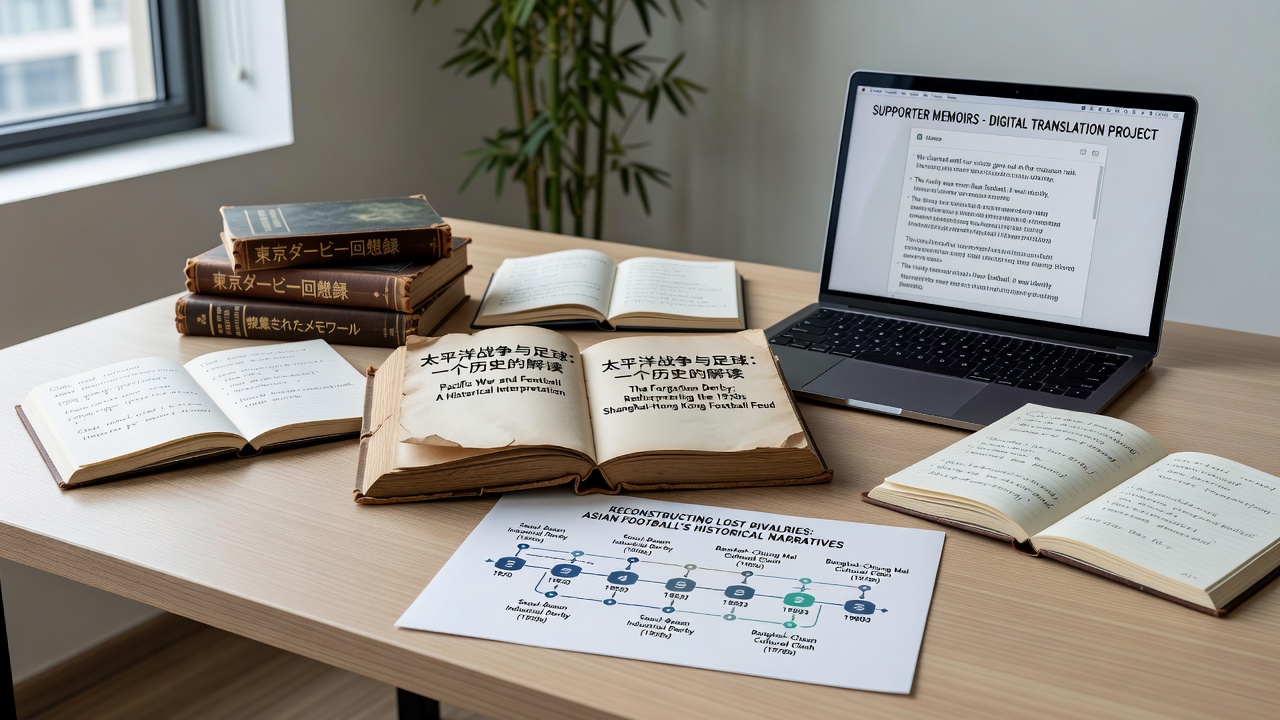
Academic teams have accelerated translation efforts, and several university presses released new volumes in early 2026 that cover Chinese and Vietnamese club records previously unavailable in English. These publications draw on private collections held by former players and administrators, and they connect local derbies to broader patterns of migration and sponsorship that crossed borders. Observers tracking these releases point to improved digital scanning techniques that preserve handwritten notes and ticket stubs, allowing side-by-side comparison of rival accounts from opposing fan groups. Data compiled by regional football federations shows a measurable increase in citations of translated materials in academic papers presented at conferences throughout the first half of 2026.
Regional Examples Across Asia
In East Asia, translated histories of Japanese J.League predecessors detail the Kashima Antlers and Urawa Red Diamonds encounters that grew from factory team origins, and Korean sources add context on the Jeonbuk Hyundai Motors and FC Seoul matches shaped by regional economic policies. Southeast Asian examples include Indonesian accounts of Persija Jakarta versus Persib Bandung fixtures that carried political resonance during the 1980s, alongside Thai club documents that outline Air Force United and Port Authority clashes tied to military and civilian affiliations. Researchers cross-referencing these texts with supporter memoirs have mapped how transportation infrastructure changes altered travel patterns for away supporters and thereby influenced the intensity of certain rivalries over time.
Methodological Approaches Used by Researchers
Scholars combine quantitative match data with qualitative excerpts from memoirs to verify claims about attendance figures and disciplinary incidents, and this mixed-method approach has clarified timelines that club histories sometimes presented out of sequence. Digital databases maintained by institutions such as the Football Australia historical archive now include links to translated Asian sources, enabling comparisons with Pacific region developments. Another resource comes from the Singapore Sport Institute research repository, which catalogs fan accounts that intersect with Southeast Asian league records. These integrations help trace how rivalries evolved when clubs entered continental tournaments and faced new opponents from distant federations.
Conclusion
Reconstruction of lost Asian football rivalries continues through ongoing translation initiatives that connect club histories with supporter memoirs, and the resulting narratives offer clearer pictures of how regional identities shaped competition before globalization standardized many aspects of the sport. Future projects scheduled for late 2026 aim to incorporate additional languages from Central Asia, expanding the scope of available material for comparative studies.