28 May 2026
Supporter Perspectives in Print: Examining Diaries and Accounts That Trace Shifts in Stadium Culture During Continental Championships
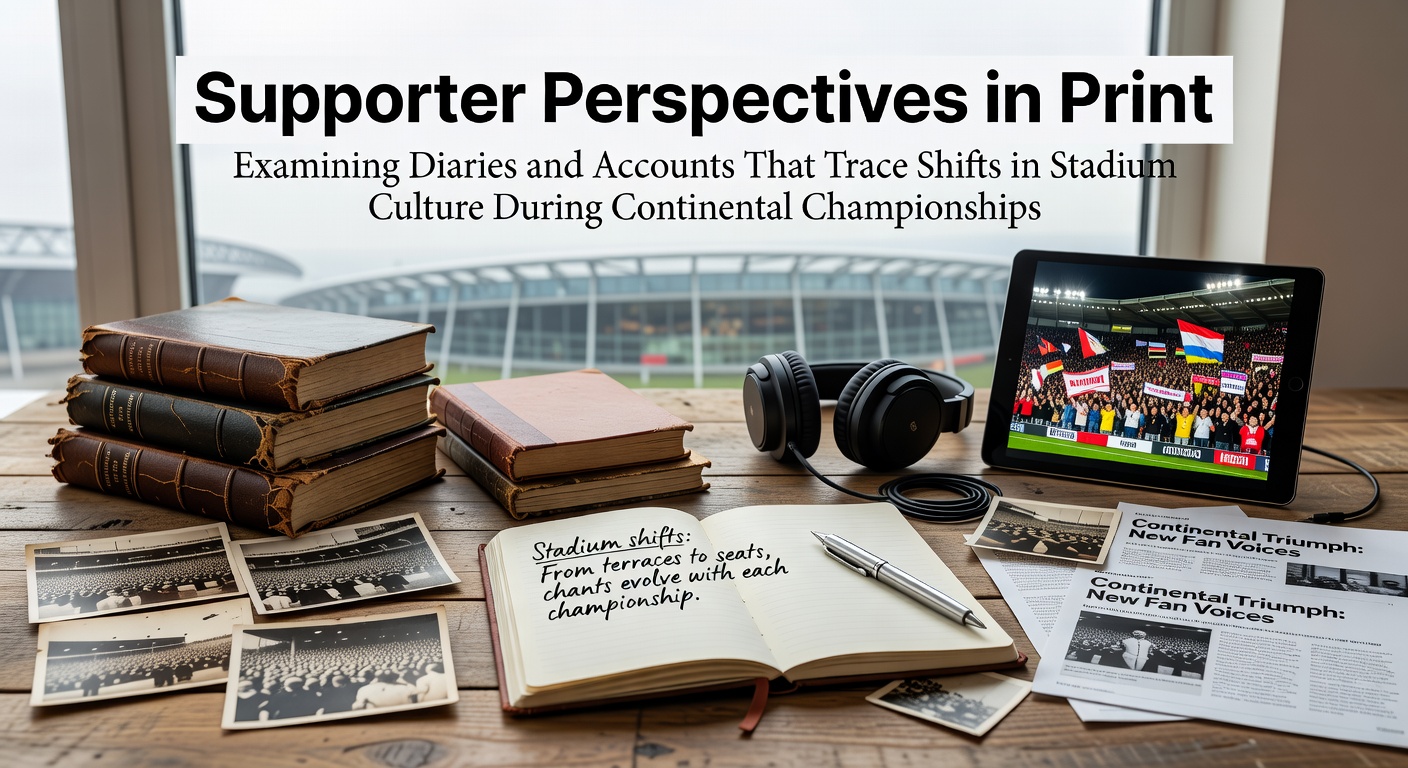
Personal diaries and supporter accounts have provided detailed records of how stadium environments evolved during continental championships such as the UEFA European Championship and Copa América across multiple decades. These written sources capture changes in fan interactions, crowd dynamics, and cultural expressions that official match reports often overlook, according to analyses from sports historians at institutions across Europe and South America. Observers note that diaries from the 1960s and 1970s describe intense regional rivalries expressed through chants and visual displays, while later accounts document shifts toward structured security measures and commercial influences.
Early Records from Mid-20th Century Events
Accounts compiled by supporters attending the inaugural European Championships in 1960 and subsequent editions through the 1970s detail packed terraces where spontaneous singing and flag-waving created distinct atmospheres at venues in France, Italy, and Spain. These diaries frequently mention the role of traveling fan groups in establishing rituals that traveled between host cities, adn researchers have cross-referenced such entries with archival photographs to confirm patterns of growing attendance from neighboring countries. In South American contexts, personal journals from Copa América tournaments during the same era describe similar developments, including the integration of local music traditions into stadium soundscapes at matches held in Argentina, Brazil, and Uruguay.
Data from attendance records maintained by continental governing bodies shows steady increases in international supporter participation during these periods, and diary entries align with those figures by describing expanded rail and road travel networks that enabled larger crowds. One collection of notebooks from English fans at the 1968 tournament in Italy highlights the emergence of coordinated group travel, while parallel Brazilian accounts from the 1975 Copa América note the blending of club-specific traditions into national team support.
Transformations Documented in the 1980s and 1990s
Diaries from the 1980s and 1990s trace the introduction of seating requirements and perimeter fencing at many continental championship venues, alongside supporter responses that ranged from adaptation to organized campaigns for safer environments. Written reflections from German and Dutch fans at Euro 1988 record adjustments to new ticketing systems, while accounts from the 1991 Copa América in Chile describe parallel changes in crowd composition as family sections expanded. Studies conducted by the University of Toronto's Centre for Sport Policy Studies have examined these personal narratives alongside regulatory changes implemented by host nations, revealing correlations between infrastructure upgrades and shifts in supporter demographics.
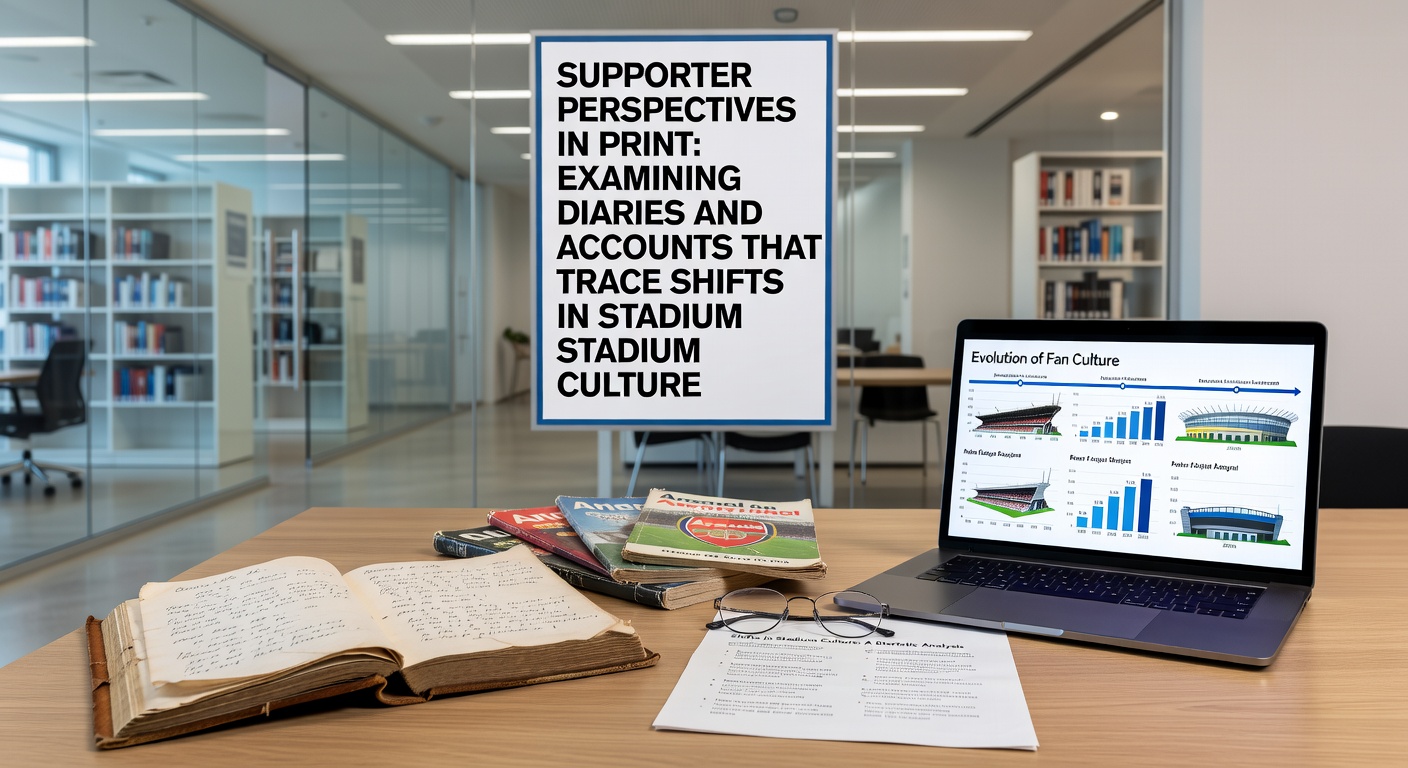
Entries from this era also document the growing presence of corporate hospitality areas and their impact on traditional standing sections, with writers noting how these additions altered sightlines and social mixing within stadiums. Accounts from French supporters at Euro 1992 describe the gradual normalization of pre-match fan zones outside venues, a development that later spread to South American tournaments. Figures released by the European Commission's sport monitoring program indicate corresponding rises in overall attendance alongside these structural modifications.
Contemporary Accounts and Digital-Era Shifts
More recent diaries and published supporter memoirs from tournaments in the 2000s and 2010s record the influence of social media on pre-event planning and in-stadium communication, including coordinated displays that required months of preparation across multiple countries. Journals kept by fans at Euro 2012 in Poland and Ukraine describe enhanced security protocols and their effects on spontaneous interactions, whereas entries from the 2019 Copa América detail similar adaptations in Brazilian and Chilean venues. These texts frequently reference the expansion of accessible seating and dedicated supporter liaison officers introduced by organizing committees.
Researchers tracking these sources have identified recurring themes around inclusivity measures, such as increased representation of women's supporter groups and accessibility accommodations documented in personal accounts from Euro 2016 and subsequent events. Data compiled by the Australian Sports Commission on international fan travel patterns shows continued growth in cross-continental attendance, consistent with details recorded in these written records. Accounts from the period leading into 2026 preparations for related global events note ongoing discussions about sustainability initiatives at stadiums, including reduced single-use plastics and improved public transport links referenced in supporter blogs and journals.
Conclusion
Collectively these diaries and accounts form an extensive archive that maps incremental changes in stadium culture across continental championships, from terrace-based expressions in earlier decades to regulated, technology-influenced environments in later periods. Cross-referencing such personal sources with official attendance statistics and policy documents allows researchers to construct timelines of cultural adaptation without relying solely on institutional perspectives. The written record continues to expand as new generations of supporters document their experiences at upcoming tournaments.