9 Jul 2026
Vintage Scrapbooks Kept by Traveling Journalists That Map Cultural Exchanges of Playing Styles During Early World Tours by European Clubs
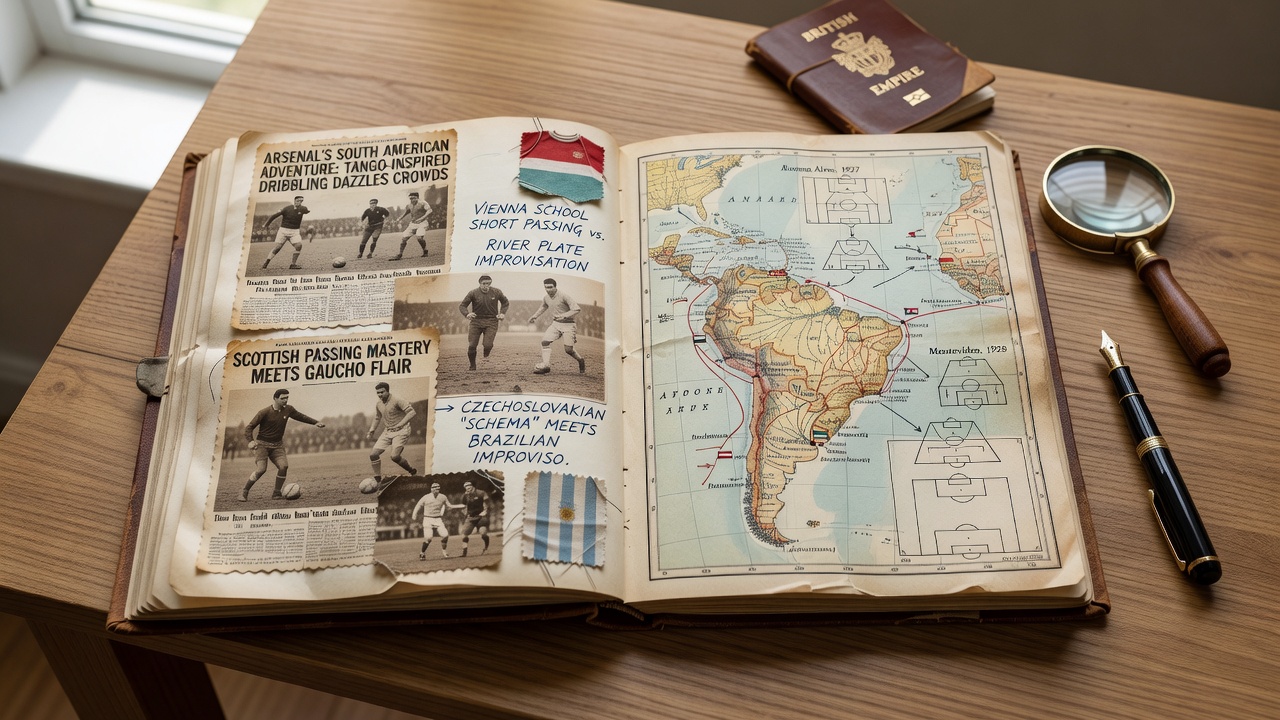
Traveling journalists in the early twentieth century compiled scrapbooks that captured the transfer of football tactics between European clubs and teams encountered on extended tours across South America, Asia, and Africa, and these collections now serve as primary records for historians examining how playing styles evolved through direct contact rather than formal coaching manuals. European sides such as the English Corinthians and later professional outfits from Scotland and Italy embarked on multi-month expeditions beginning in the 1900s, and journalists accompanying them pasted match reports, handwritten diagrams, and local newspaper translations into bound volumes that tracked adjustments in formation and passing patterns.
Early Tours and Initial Documentation Practices
Corinthians tours to Brazil in 1910 and Argentina in 1912 produced the first extensive scrapbooks that detail shifts from rigid 2-3-5 formations toward more fluid attacking lines after matches against local sides already incorporating short passing sequences adapted from British sailors, and journalists recorded these observations alongside ticket stubs and team lineups that allow modern researchers to trace the precise dates when such changes appeared in match reports. One scrapbook held in a private European collection contains entries from a 1923 Italian club tour to Egypt where journalists noted how local players combined rapid dribbling with sudden long balls, prompting the visitors to experiment with similar switches during training sessions documented in marginal notes.
Mapping Tactical Adaptations Across Regions
Scrapbooks from Scottish club tours to South Africa in the 1920s reveal journalists inserting diagrams that compare the visitors' preference for direct attacks with the shorter, possession-oriented sequences favored by teams formed by mining communities, and these pages often include translated excerpts from Afrikaans papers that describe the same games from opposing viewpoints, creating side-by-side records of style perception. Researchers at institutions in multiple countries have cross-referenced these volumes with surviving match footage fragments to confirm that certain overlapping runs first appeared in European lineups only after journalists recorded their observation during tours to Uruguay and Chile.
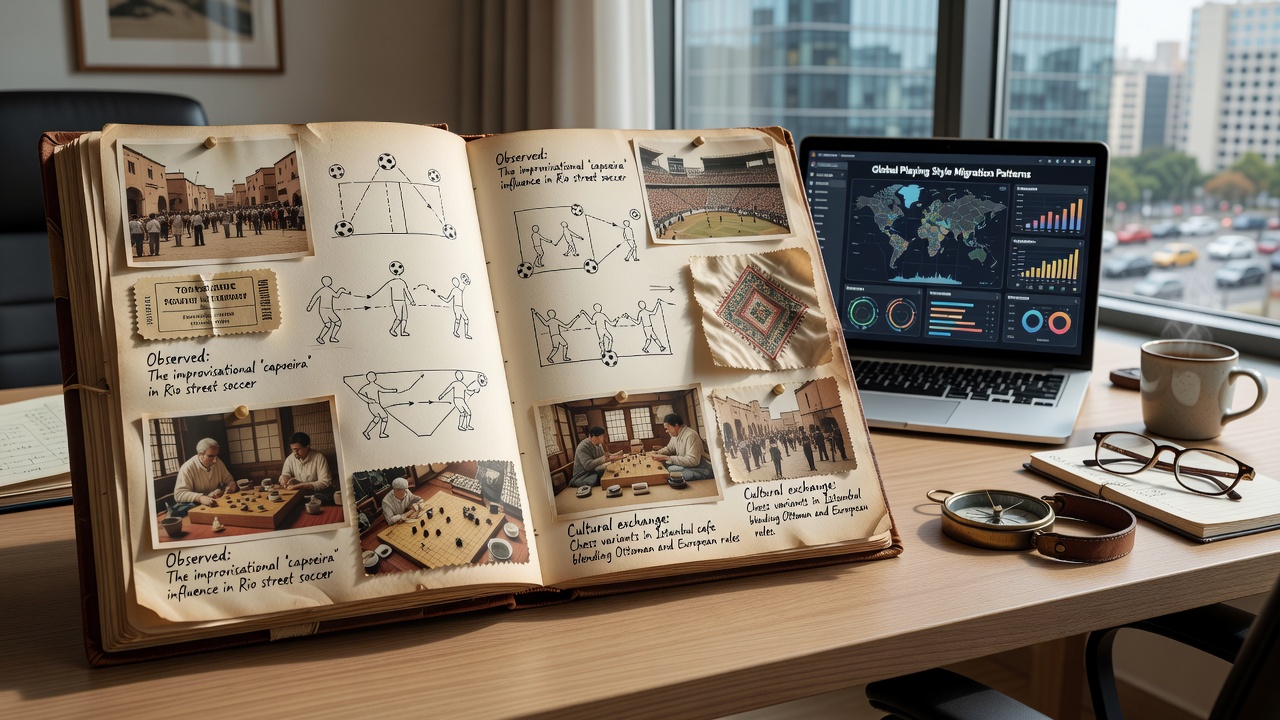
Additional volumes compiled during Japanese tours by English professionals in the late 1930s contain pasted schedules alongside sketches showing how local sides emphasized collective pressing high up the pitch, and journalists added annotations indicating which European players attempted to replicate those movements in subsequent fixtures. Such entries provide concrete timelines for when possession-retention ideas moved between continents through personal observation rather than published theory.
Archival Value and Cross-Cultural Evidence
University libraries in Australia and Canada now hold digitized portions of these scrapbooks after acquisitions from estate sales, and access requests have risen steadily as scholars examine how goalkeeper distribution methods observed during tours to Scandinavia influenced later possession systems adopted in South American leagues. A 2024 catalog from one such collection lists over forty volumes containing entries from tours spanning 1905 to 1939, each page preserving original ink sketches that illustrate evolving offside interpretations after matches against clubs using different refereeing conventions.
Journalists frequently glued in local advertisements for football equipment alongside their own commentary, creating unintended records of how commercial influences accompanied style exchanges, and these details help trace when certain boot designs or ball constructions spread following particular tours. One volume from a 1929 German club journey through India includes a journalist's note describing how local players adapted European long-ball tactics into monsoon-adjusted short passes, with the page dated to the exact day the modification first appeared in a friendly match.
Preservation Efforts and Upcoming Exhibitions
Conservation projects coordinated across European and South American archives have stabilized fragile paper stock in dozens of these scrapbooks, allowing continued study of ink annotations that reveal journalists debating whether certain tactical shifts originated locally or resulted from exposure to touring sides. In July 2026 an exhibition at a major South American sports museum will display selected pages alongside interactive maps showing tour routes and the documented spread of specific playing elements, drawing on verified provenance records from multiple national federations.
These collections differ from official club histories because journalists often recorded observations that club officials omitted, such as failed experiments with new formations or teh resistance local sides showed toward imported styles, and such candid entries supply balance to narratives that otherwise emphasize only successful adaptations. Historians continue to identify previously uncatalogued volumes in private hands, each adding granular detail to the timeline of how football's global vocabulary expanded through face-to-face encounters rather than written instruction alone.
Conclusion
Collectively the scrapbooks function as an unplanned atlas of early football globalization, preserving the sequence in which journalists witnessed and recorded the movement of tactics between regions during an era before standardized coaching certifications existed. Continued digitization and cross-referencing of these volumes will likely refine existing chronologies of style diffusion while highlighting the role of individual observers in capturing exchanges that official records overlooked.